About Rebar Tie Wire
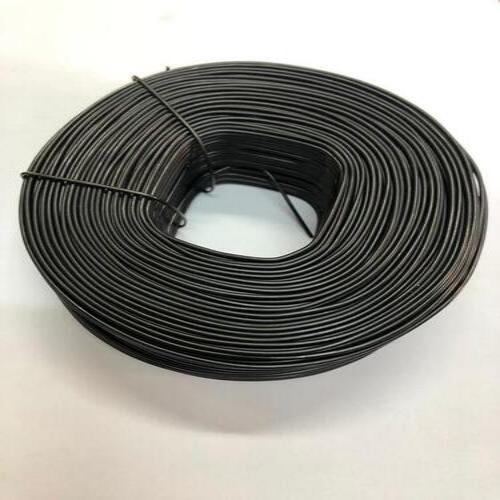
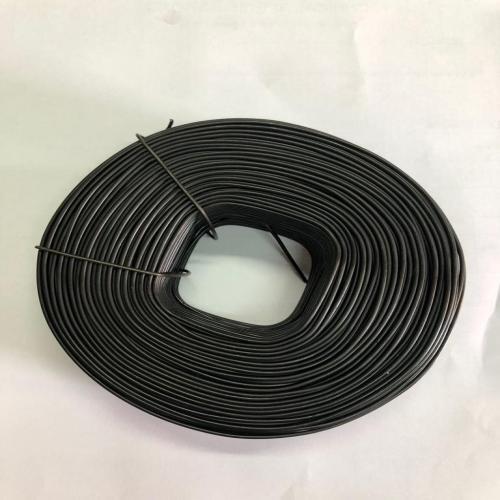
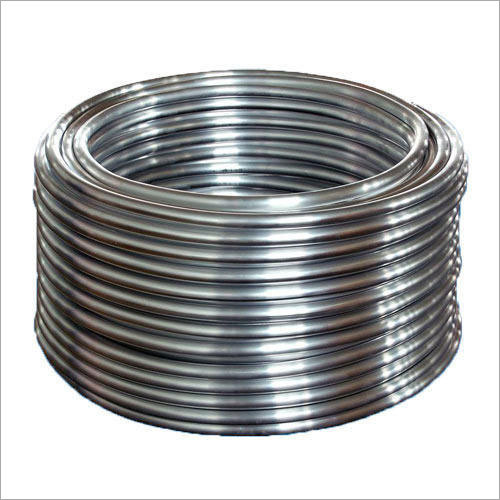
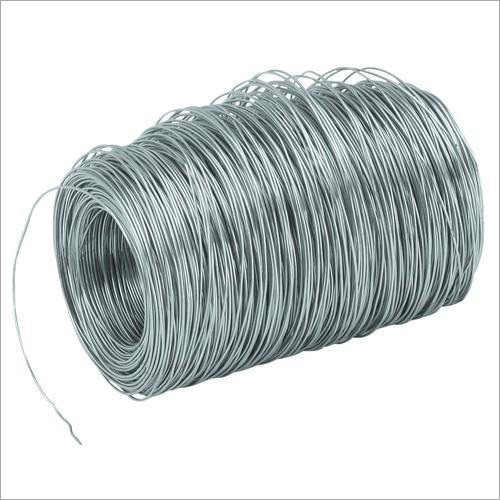
Rebar tie wire, also known as tying wire or tie wire, is a type of wire commonly used in construction and concrete reinforcement projects. It is specifically designed for tying together reinforcing steel bars, commonly known as rebar, to create a stable and robust structure in concrete construction.
Here are some key points about rebar tie wire:
1. Material: Rebar tie wire is typically made from annealed steel, which means it has been heated and slowly cooled to increase its flexibility and reduce brittleness. The annealed property makes it easier to handle and bend during the tying process.
2. Diameter: The wire is available in various diameters, typically ranging from 16 to 18 gauge. The choice of gauge depends on the specific project requirements and the thickness of the rebar being tied.
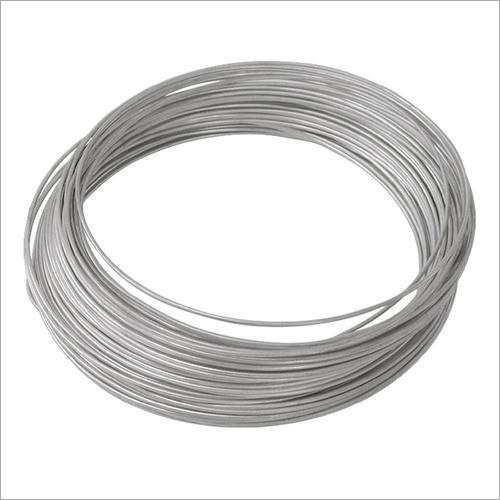
3. Coating: Rebar tie wire is often coated with materials like zinc to provide corrosion resistance, ensuring that the ties maintain their strength and integrity over time, even when exposed to moisture or harsh environmental conditions.
4. Tying Method: Rebar tie wire is used by construction workers and steel fixers to tie together intersecting sections of rebar. The most common method involves manually twisting the wire around the crossing points of the rebar to securely fasten them together.
5. Tying Tools: While some basic tying can be done by hand, there are also specialized tools available, such as rebar tying tools or rebar tying machines. These tools automate the tying process, increasing efficiency and reducing strain on workers hands.
FAQ:
Q. What is rebar tie wire?
Ans: Rebar tie wire, also known as tying wire or rebar tying wire, is a type of wire used in construction to secure reinforcing bars (rebars) together. It is commonly used in concrete structures to provide strength and stability.
Q. What is rebar tie wire made of?
Ans: Typically, rebar tie wire is made of annealed steel, which is a type of steel that has been heated and then slowly cooled to make it more flexible and easier to work with. The annealing process reduces the hardness of the steel, making it suitable for bending and tying.
Q. How is rebar tie wire used?
Ans: Rebar tie wire is used to secure rebar intersections in concrete construction. Construction workers use it to tightly wrap around the meeting points of intersecting rebars, holding them in place and preventing them from shifting during concrete pouring.
Q. What are the common gauges and sizes of rebar tie wire?
Ans: Rebar tie wire typically comes in gauges ranging from 16 to 18. The most common sizes are 16-gauge and 18-gauge wire. The choice of gauge depends on the specific application and the thickness of the rebar being tied.
Q. How do you tie rebar with rebar tie wire?
Ans: To tie rebar with rebar tie wire, the worker uses a specialized tool, often called a "rebar tying tool" or "rebar tier." The tool holds the spool of tie wire and automatically cuts and twists the wire around the rebar intersection, creating a secure tie.
Q. Is rebar tie wire corrosion-resistant?
Ans: Standard rebar tie wire made of annealed steel is not inherently corrosion-resistant. Over time, it may be subject to rust and corrosion, especially in outdoor or high-moisture environments. However, some manufacturers offer galvanized rebar tie wire, which has a protective zinc coating to enhance corrosion resistance.
Q. Can rebar tie wire be recycled?
Ans: Yes, rebar tie wire made of steel is recyclable. After construction or demolition, the tie wire can be gathered along with other scrap metals and sent to recycling facilities.
Durable Steel ConstructionManufactured from premium-grade steel, our rebar tie wire is engineered to withstand demanding industrial environments. This ensures robust tensile strength and optimal performance, making it the ideal choice for construction and infrastructure reinforcement projects.
Protective PVC InsulationA layer of PVC insulation envelopes each wire, offering corrosion resistance and electrical insulation. This design prolongs the wires service life, guaranteeing continued performance even when exposed to harsh construction conditions.
Reliable Supply Across IndiaAs experienced exporters, importers, manufacturers, and suppliers, we cater to clients throughout India. Our streamlined operations and extensive distribution network ensure timely delivery and consistent availability to meet industrial demands.
FAQs of Rebar Tie Wire:
Q: How is steel rebar tie wire used in industrial applications?
A: Steel rebar tie wire is primarily used to secure rebar joints in reinforced concrete structures. Its high tensile strength and flexibility allow for tight, secure ties, ensuring stability throughout construction and concrete pouring processes.
Q: What benefits does the PVC insulation provide on the tie wire?
A: The PVC insulation shields the steel core from moisture, reducing the risk of corrosion. It also provides electrical insulation, making the wire safer to handle and extending its usable life in challenging environments.
Q: When should rebar tie wire be utilized in a construction project?
A: Rebar tie wire is most commonly used during the pre-concreting phase, after the rebar framework is assembled but before concrete is poured. Its use ensures that the reinforcement remains intact and properly positioned.
Q: Where is your rebar tie wire supplied or exported from?
A: We manufacture and supply rebar tie wire from our facilities in India, distributing throughout the nation and exporting to clients worldwide, backed by efficient logistics and quality assurance systems.
Q: What is the process for ordering rebar tie wire as an importer or supplier?
A: Importers and suppliers can contact us directly to discuss requirements, request a quotation, and arrange for bulk or customized orders. Our team supports clients through every step, from product selection to logistics coordination.
Q: How does using this tie wire benefit construction projects?
A: Using our steel PVC-insulated tie wire enhances the durability and reliability of reinforced concrete structures. It helps maintain rebar positioning, minimizes movement, and provides long-term resistance against corrosion and wear.


 English
 Spanish
 French
 German
 Italian
 Chinese (Simplified)
 Japanese
 Korean
 Arabic
 Portuguese
 08045477853








 Send Inquiry

 Send Inquiry
 Send Inquiry
 Send SMS
 Call Me Free


